


Designing Without Measurements
- Ersin AYTAC

- Jan 15
- 3 min read
From time to time, I get requests for very basic designs. Nothing complex. Nothing experimental. Just something that works and fits a real need.
That kind of work is more interesting than it sounds.
Ideas are never the problem. Millions of them pass through my mind. The real limitation is always the requirement. What does the customer actually need? What can be ignored? And how simple can the solution be without losing its purpose?
I have to be honest. I enjoy designing simple things.
One such request started with a skull-shaped clear alcohol bottle. You’ve probably seen them before. Heavy glass, decorative, too nice to throw away. The customer wanted to turn it into a bedside lamp.
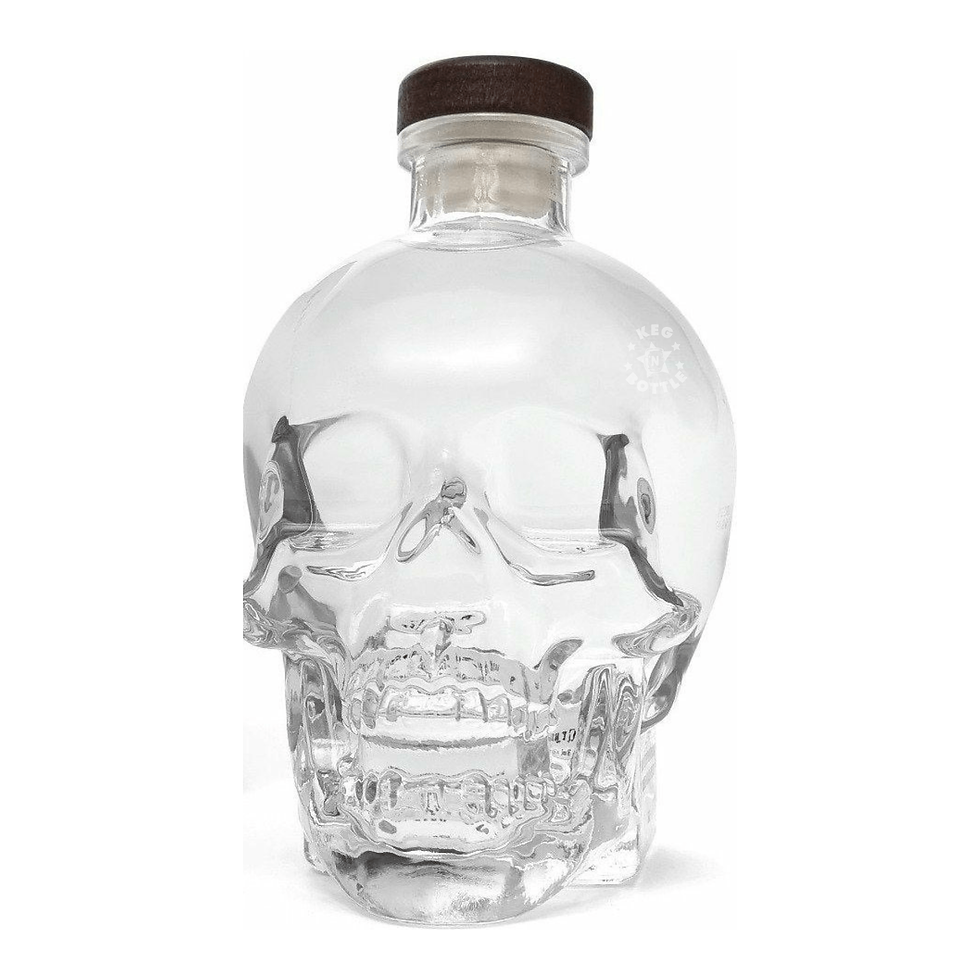
Before coming to me, they had already explored a few options. The first idea was to place an E10 or E12 Edison bulb inside the bottle. That’s where things got complicated. Finding the right bulb wasn’t easy. Drilling a hole felt risky. One wrong move and the bottle would be gone.
It was New Year’s time, so I made a very basic suggestion. Go out and get some Christmas lights. Drop them inside and see how it feels.
That wasn’t me being lazy. That was me offering the simplest possible option. Sometimes the fastest way to test an idea is to not design anything at all.
But they wanted something made for it. Something clean. Something intentional. Simple, but designed.
Over the years, designing has taught me something important.
Don’t ask people to measure things for you. And don’t ask them to bring objects that matter to them.
Sometimes they don’t want to carry it. Sometimes they don’t want to show it. Sometimes it has sentimental value. Sometimes it’s fragile or impossible to move around.
And honestly, I don’t want that responsibility either. One slip, one crack, one accident, and suddenly it’s no longer about design.
Good design doesn’t fight reality. It works with it.
So instead of asking for measurements or the bottle itself, I did something different. I gave the customer a long zip tie and asked for just one thing: cut it to the length they want the LED lights to sit inside the bottle.
No numbers. No rulers. Just preference.
Once that was decided, I asked them to bring only one part. The cap.
The cap itself was a plastic, cork-type piece, which helped a lot. I designed around it as it was, keeping its original shape so the fit would be snug and familiar. No forcing. No modifications to the bottle.
From the bottom side of the cap, I extruded the chosen length decided by the customer. The extruded part was kept deliberately simple, just a rectangular form. Strength mattered here, so I added chamfers at the base of the cap to reinforce the connection and avoid stress points.
That simple shape gave me something useful. Four flat sides.
Those four sides allowed me to place LED lights evenly around the part. I added grooves along the extrusion to seat the COB LED strips cleanly, keeping everything aligned and secure.
A through hole runs straight down the center of the part. On the top side of the cap, I designed a larger diameter opening to house a 5.5 mm DC power socket. All the LED wiring passes through the center and exits neatly at the top.

Cables can ruin a good view. Cable routing and hiding is always on my mind. If the wiring is visible, the design feels unfinished no matter how good the rest is.
The final result drops in from the top, locks in place naturally, and turns the bottle into a bedside lamp without drilling, glue, or irreversible changes. The bottle stays untouched. The design does its job quietly.
Sometimes the best design isn’t about adding more features. It’s about removing friction, reducing risk, and respecting both the object and the person who owns it.
That’s the kind of simplicity I enjoy designing.

The design is now available in the store.
If you have the same bottle, or something similar, you don’t need to reinvent the process. The insert is designed to drop in from the top, work with LED lighting, and keep the bottle untouched.
It’s the same approach described here. Simple, practical, and made to remove hassle rather than add to it.
Sometimes that’s all a design needs to do.


Comments